

Hiring Remote Customer Service for Logistics Companies

Hiring remote customer service teams helps logistics companies reduce costs, improve responsiveness, and scale support operations more efficiently. However, not all remote hiring models deliver the same results. For many logistics providers, nearshore customer service teams offer a stronger balance of communication, operational alignment, and service quality.
That’s where nearshoring comes in. Nearshoring enables companies to build remote customer service teams while minimizing many of the common drawbacks of traditional outsourcing. For logistics companies looking to deliver reliable, high-quality support at scale, nearshoring can be a more effective and dependable solution.
What to Consider When Hiring Remote Customer Service Teams
There are several key factors to consider when choosing a solution and partner for hiring a remote customer service team, including:
- Communication skills: Your remote customer service representatives will interact directly with your customers, so it’s essential they can deliver the same level of professionalism and support your customers expect from your in-house team. When hiring internationally, strong English proficiency, clear communication, and cultural alignment are especially important to maintaining a consistent customer experience.
- Time zone alignment: In logistics, timely communication is critical. Customers, carriers, and internal teams often require immediate updates and rapid issue resolution. Working with a remote team in a closely aligned time zone can improve responsiveness, simplify collaboration, and support real-time communication during standard business hours.
- Industry experience: Some remote hiring providers support a wide range of industries, while others specialize in logistics and supply chain operations. Choosing a partner with experience in freight brokerage, dispatch, shipment tracking, and 3PL operations can significantly reduce onboarding time and improve operational efficiency. Industry-specific expertise also helps ensure agents understand logistics terminology, workflows, customer expectations, and common service challenges from day one.
- Training and onboarding requirements: Your remote customer service team should function as a seamless extension of your internal staff. It’s important to choose a partner that can support your onboarding process, training standards, workflows, and company culture. Ongoing coaching, quality assurance, and performance management should also be part of the partnership.
Common Challenges with Traditional Remote Hiring Models
While remote hiring can help logistics companies reduce costs and access a broader talent pool, traditional outsourcing models often come with operational challenges that can impact customer experience, efficiency, and long-term scalability.
Offshore Hiring Challenges
Many companies turn to offshore staffing providers to lower labor costs, but they can create communication and operational barriers that are difficult to overcome in fast-paced logistics environments.
- Delayed communication: Significant time zone differences can slow down response times and make real-time collaboration more difficult. In logistics, where customers and carriers often expect immediate updates, delays can negatively impact service quality and operational efficiency.
- Language and cultural barriers: Even highly skilled offshore representatives may face challenges with language fluency, communication styles, or cultural nuances. These gaps can lead to misunderstandings, inconsistent customer experiences, and reduced customer satisfaction.
- Quality control issues: Managing service quality for remote teams can be challenging, especially when there is a large geographic gap. It becomes even more of an issue when onboarding, training, and oversight are limited. A strong quality assurance process is necessary to ensure consistent communication, issue resolution.
Freelance and Fragmented Hiring Challenges
Rather than choosing an outsourcing agency, some companies choose to build remote support teams by hiring individual freelancers or independent contractors. This solution offers flexibility, but it can also lead to management and operational challenges.
- Lack of consistency: Freelance or independently hired remote workers may have varying levels of experience, training, and communication styles. This can result in inconsistent customer interactions and service quality.
- High turnover: Freelancers often work on short-term or project-based arrangements, which can lead to higher turnover rates. Frequent staffing changes lead to increased onboarding and training demands while disrupting team continuity.
- Difficult management: Managing multiple independent remote contractors without centralized oversight or a single point of contact can result in time-consuming and inefficient operations. This model may cause challenges with scheduling, accountability, performance tracking, and maintaining standardized processes.
Benefits of Hiring Remote Customer Service for Logistics Companies, Leveraging Nearshore Talent
Nearshoring is the evolution of remote customer service hiring, helping logistics companies maintain the flexibility and cost benefits of remote teams while addressing many of the challenges associated with traditional outsourcing models.
By building remote teams in nearby countries, companies benefit from stronger time zone alignment, enabling faster communication and real-time collaboration with customers, carriers, and internal teams. Countries like Mexico also offer large pools of bilingual talent with strong English proficiency and cultural alignment with the US, helping create a more seamless customer experience.
Nearshoring also makes it easier to scale operations quickly. Logistics-focused nearshore partners already understand freight operations, dispatch workflows, shipment tracking, and customer communication. This reduces onboarding time and helps teams become productive faster.
Ready to learn how nearshoring can help you build a more responsive, scalable, and reliable customer service team? Get in touch to learn how logistics-focused nearshore staffing can support your operations and improve the customer experience.
Keep Reading

The Logistics KPIs You Should be Tracking with Your Nearshoring Partner

Flexible Nearshore Support That Adapts to Your Logistics and Supply Chain Business

How Rapido Handles Billing and Measures Success for Your Outsourcing Team

Training your nearshore team: Tips and best practices

Mitigating risks in nearshoring: Protecting your data with cybersecurity best practices

Measuring workforce productivity and success: Tips and best practices

Recruitment and retention strategies for building top-tier logistics teams

TIA 2024: Insights from Rapido's CEO

5 Tips for getting the most out of your nearshore team

Why Choose Logistics as a Career — Here Are the Benefits!

Q&A with Rapido cofounder, Roberto Icaza, on Rapido’s Cross-Border Logistics Services

Beyond lowest cost: 5 Key factors to consider when choosing a nearshoring partner

Cost Saving Ideas For Logistics Businesses - Nearshoring

Understanding Seasonal Freight Trends: How nearshoring can help overcome seasonal challenges

Year-End Review: Budgeting and Goal Setting for 2025

Rapido Solutions Group Opens New Office in Leon

Benefits of Nearshoring: Debunking 8 Common Myths

More Than Just Staffing: Future Planning & Strategic Growth

More Than Just Staffing: A Company Culture for Success

More Than Just Staffing: Organizational Design

More Than Just Nearshore Staffing: Workforce Scalability with Tailored Solutions

More Than Just Staffing: The Rapido Solution

Update Your Hiring Strategy with a Nearshore Team

What Defines Nearshoring and Is This Service Right for Your Business

Freight and Logistics Market Trends: Leveraging Nearshoring

Introduction to AI: Gaining Operational Efficiency with Artificial Intelligence

Building a Customer and Carrier Support Team through Nearshoring

The Two Sides of Customer Service in Nearshoring

A smooth transition to nearshoring: Step for a seamless implementation strategy

Logistics Trends that Will Shape the Industry in 2025

The Cost of Employee Turnover: What Logistics Companies Need to Know

AI and Logistics: How AI is Transforming the Logistics Industry

Inc. Names Rapido Solutions Group to Its 2025 List of the Fastest-Growing Private Companies in the Midwest

How AI is Revolutionizing Data Entry and Reporting in Logistics

5 Customer Support Trends Shaping the Logistics Industry

AI Doesn't Replace People — But It Can Empower Your Nearshore Team

One Year Later: An Update on Rapido’s Office in Leon

Rapido Solutions Group Ranks on the 2025 Inc. 5000 List of America’s Fastest-Growing Private Companies

The Nearshoring Advantage: Easing Margin Pressure for Logistics Companies

The Logistics Labor Shortage: How Rapido’s Nearshore Staffing Solutions Fills the Gap

10 Mistakes to Avoid When Hiring a Nearshoring Logistics Partner

The Holiday Rush Is Here: 5 Ways Nearshoring Builds a More Resilient Peak Season Supply Chain

More Capacity, Less Overhead: How Nearshoring Scales Your business’s Carrier Sales Teams Efficiently

Why Nearshoring Should Be Part of Your 2026 Staffing Strategy

Rapido Solutions Group Is Turning 6: Six Things You Should Know About Rapido

Building Strong Nearshore Teams: Pay, Benefits & Culture
Inc. Names Rapido Solutions Group to Its 2026 List of the Fastest-Growing Private Companies in the Midwest

Inc. Regionals: Midwest - Q&A with Rapido Solutions Group CEO Danny Frisco

Strategy Checklist: 6 Questions to Answer Before You Hire A Nearshoring Partner

What Successful Nearshore Teams Do Differently and the 5 Pitfalls of Outsourcing to Avoid

Nearshore vs. Offshore vs. Onshore: Which Outsourcing Model is Best for Logistics and Supply Chain Businesses?

How Rapido Interviews, Trains, and Builds Your High-Performing Outsourcing Support Team
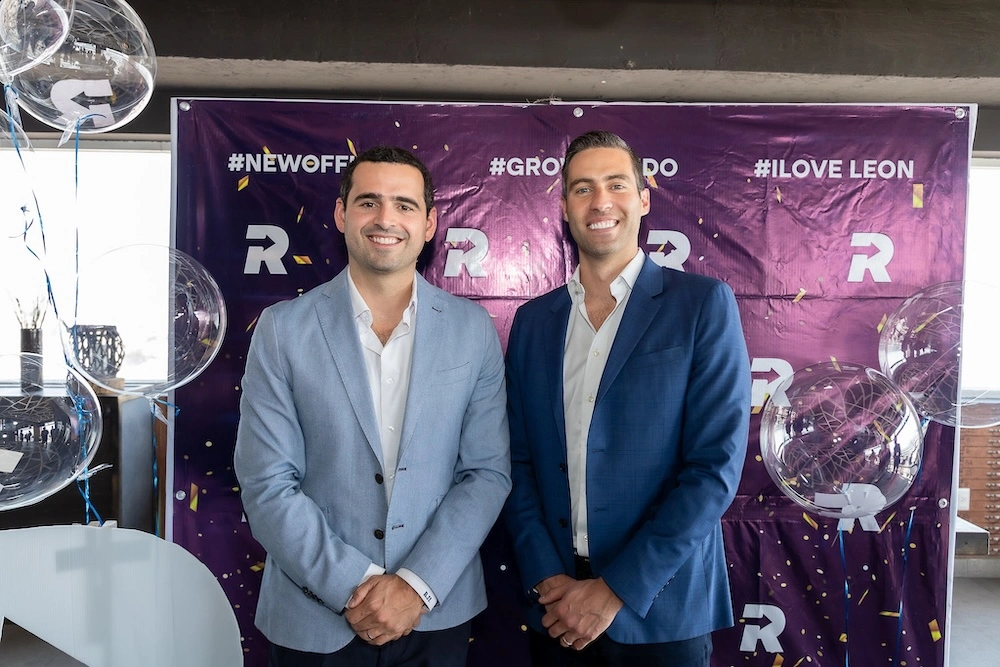
Rapido Solutions Group Named to Crain’s Chicago Business as one of the region’s fastest-growing companies.

Ready. Set. Go Rapido.
Talk with an expert to start building your team away from home.